
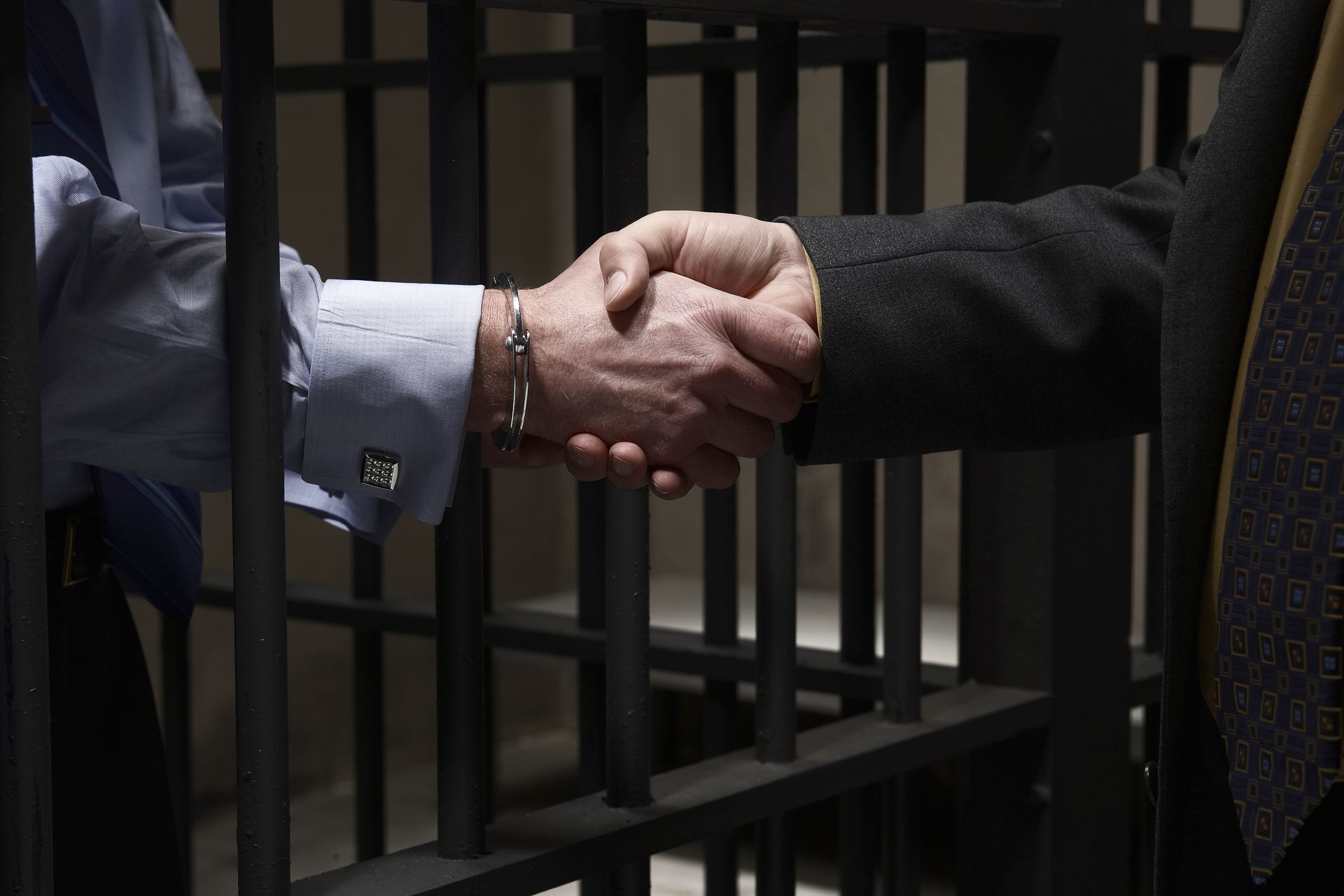

The justice system can feel overwhelming when accusations arise, creating uncertainty for defendants and their families. Confronting allegations demands an immediate grasp of state and federal statutes, procedural rules, and constitutional rights. Having a dedicated advocate is essential for anyone who must stand before a court of law. Legal representation shields individuals against overreach, procedural unfairness, and harsh penalties that disrupt ordinary life. A knowledgeable professional assesses the context of the situation, evaluates the initial actions of investigators, and identifies the best path forward through a complicated courtroom environment. Every phase of the adjudicative process carries substantial consequences, beginning with the initial arrest and extending through bail determinations, evidentiary hearings, and trial proceedings. A competent defense attorney serves as both an analytical guide and an uncompromising courtroom advocate. Securing a skilled criminal lawyer ensures that an individual receives fair treatment, rigorous representation, and a viable strategy aimed at achieving the best possible outcome. Navigating these adversarial waters requires formal education, continuous practice, and an unyielding commitment to due process. Interpreting Procedural Rules and Statutory Terminology The modern justice system relies on dense statutes, intricate administrative codes, and historical precedents that create significant barriers for ordinary citizens. Courtroom language includes Latin maxims, archaic definitions, and detailed procedural terminology that carry decisive weight during active litigation. Lawyers play an essential role in translating these complex terms and legal phrases into language their clients can understand. This comprehension is crucial, as a clear grasp of legal terms can profoundly impact the trajectory of a case. A criminal lawyer's expertise allows them to decode this legal lexicon, ensuring their clients are well-informed. According to Forbes, becoming a criminal lawyer can take up to six to seven years, during which they gain mastery over this intricate language. Procedural compliance is equally critical, as missed filing deadlines, improperly drafted motions, or failures to object during hearings can permanently undermine a defense. Skilled practitioners understand the specific filing requirements for suppression requests, discoverable material petitions, and evidentiary notices under state and federal rules of criminal procedure. They systematically examine search warrants, police narratives, forensic collection protocols, and chain of custody sheets to identify errors that might justify dismissals. This technical precision safeguards the integrity of the judicial process, ensuring that the government is held strictly to its constitutional burden of proof. Safeguarding Constitutional Freedoms and Human Rights The Fourth, Fifth, Sixth, and Fourteenth Amendments establish vital boundaries designed to protect private citizens against governmental overreach, unlawful detentions, and coercive state tactics. Law enforcement officers must follow strict legal standards when conducting traffic stops, property searches, and custodial interrogations. Retaining a dedicated criminal lawyer guarantees that every interaction between the accused and the police receives thorough scrutiny for civil rights infractions. When investigators violate search protocols or fail to give required warnings, defense counsel files formal motions to suppress the resulting evidence. Protecting rights also extends to courtroom proceedings, where the presumption of innocence must remain inviolate until the state meets its heavy burden. Defense practitioners work to eliminate improper bias, contest prejudicial evidence, and prevent the introduction of unreliable hearsay. They oversee jury selection, evaluate witness credibility, and demand transparency from the prosecution at every stage. This vigilant oversight balances the uneven power dynamic between state prosecutors and private individuals, helping to preserve the fundamental fairness of the judicial system. Negotiating Constructive Resolutions and Case Dispositions Favorable case outcomes frequently occur during pre-trial negotiation stages rather than in protracted public trials. Experienced defense counsel maintain ongoing professional dialogues with district attorneys and prosecutors, evaluating the relative strength of the government's evidence. A seasoned criminal lawyer knows how to leverage evidentiary vulnerabilities, missing records, or unreliable witness statements to negotiate favorable plea arrangements. Skilled advocacy can convert severe felony allegations into minor misdemeanors, reducing collateral harm and personal disruption for the client. Strategic negotiations also open pathways toward alternative sentencing and diversionary resolutions that emphasize education or community service over incarceration. Defense advocates present comprehensive background packets that highlight stable employment, military service, charitable work, and lack of prior offenses. By emphasizing these positive factors, counsel can secure enrollment in deferred prosecution programs, drug intervention courts, or specialized rehabilitation programs. These negotiated alternatives help individuals preserve their freedom, support their families, and maintain their social standing while avoiding the permanent damage of a formal conviction. Building Comprehensive Defenses and Forensic Strategies Constructing an effective defense demands thorough factual investigation, detailed witness evaluations, and strategic presentation in the courtroom. Dedicated attorneys visit alleged crime scenes, interview witnesses, collect surveillance footage, and review digital footprints to reconstruct events accurately. Engaging an experienced criminal lawyer ensures that independent forensic professionals, medical experts, toxicologists, and private investigators are deployed effectively to challenge the prosecution's assertions. Expert testimony often reveals significant inconsistencies in the state's narrative, shedding new light on technical evidence. Effective courtroom presentation turns complex facts and witness testimonies into a clear, cohesive narrative of reasonable doubt. Defense attorneys use cross-examination techniques to reveal biases, memory gaps, and contradictions in witness accounts. They scrutinize laboratory methods, chain of custody logs, and electronic tracking data to demonstrate potential contamination or handling mistakes. By highlighting these weaknesses before a jury or judge, counsel demonstrates where the prosecution has failed to satisfy its legal burden, securing dismissals, acquittals, or substantial reductions in charges. Mitigating Long-Term Consequences and Collateral Hardships The impact of criminal accusations often extends far beyond direct statutory fines or court-ordered probations, leaving lasting marks on personal records. A public arrest record or conviction history can limit future employment prospects, cause the revocation of professional licenses, and restrict educational loans. A capable criminal lawyer fights to minimize these collateral damages, structuring resolutions to avoid formal adjudications of guilt whenever statutory provisions permit. Preserving professional licenses and commercial careers requires proactive legal defense from the very beginning of a case. Public records also present severe obstacles to securing residential leases, finding affordable credit, and maintaining personal standing within a community. Defense attorneys assist individuals by filing expungement petitions, pursuing record sealing, and drafting legal motions to clear public databases when cases conclude favorably. They offer clear guidance on how to report past proceedings honestly and effectively to employers, state licensing boards, and housing providers. This legal representation helps minimize personal upheaval, allowing clients to maintain personal relationships, protect their reputations, and plan for their future with stability and confidence. The journey through the criminal justice process requires experienced guidance, comprehensive preparation, and knowledgeable representation at every turn. From the initial police questioning to complex courtroom battles and final appeals, having an advocate is essential to securing fundamental fairness. Retaining a dedicated criminal lawyer provides the protection and strategic focus needed to confront accusations, minimize collateral hardships, and defend constitutional rights against state overreach. Comprehensive legal advocacy transforms an intimidating court process into a manageable, fair proceeding where your voice is heard. Navigating criminal charges requires decisive action, seasoned courtroom experience, and immediate attention to detail. If you or a loved one is confronting criminal accusations, do not leave your future to chance or face the prosecution without dedicated support. Reach out to the legal team at The Law Offices of Charlene Cathcart today to schedule a confidential case evaluation and begin constructing a compelling, strategic defense. Contact us right now to discuss your circumstances, protect your rights, and take the first step toward securing the resolution you deserve.
The Law Office of Charlene Cathcart is a full-service law firm and has a well-earned reputation. Contact the top-rated criminal lawyers today for expert help.
When seeking good criminal counsel, knowing what to look for is imperative. Join your local criminal lawyer today as we share the best traits to watch for.

